



Get Discounts with our Digital Tourist Discount Pass
























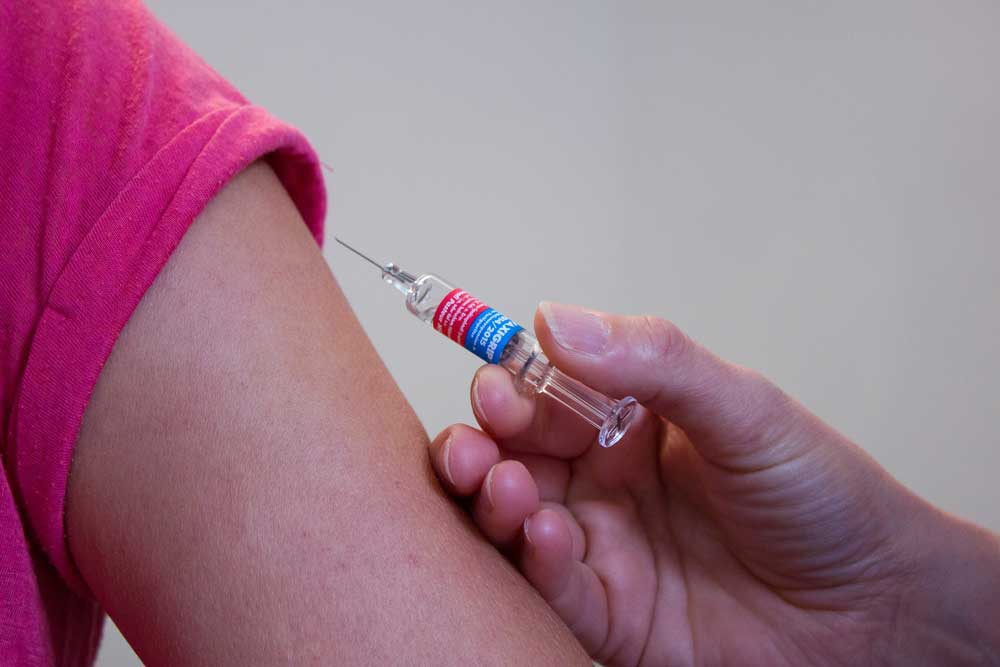
No vaccinations are legally required to enter Bali – unless you are arriving from a country with Yellow Fever. But Bali is a tropical island, and some health risks are real. The recommendations below are based on guidance from the WHO and CDC. They are not personal medical advice – your own doctor is the right person to decide what makes sense for your trip, your health history, and how long you are staying.
Plan ahead. Some vaccines need multiple doses spread over several months. Most travel doctors suggest booking an appointment 6 to 8 weeks before departure.
Routine vaccinations – update before any international trip
These are standard immunisations most people received in childhood. Worth checking they are current before you travel anywhere.
- MMR (Measles, Mumps, Rubella) – Measles outbreaks are still reported in Indonesia including Bali. Two lifetime doses are recommended. If you are unsure of your status, check with your doctor.
- DTP (Diphtheria, Tetanus, Pertussis) – Standard protection against serious bacterial infections. Your last tetanus booster should not be older than ten years.
- Polio – Poliovirus has been documented in parts of Indonesia. Worth confirming your booster is up to date with your travel doctor.
Recommended vaccines for Bali
These are the vaccines most travel doctors will bring up for a trip to Bali, regardless of your itinerary.
Hepatitis A
Transmitted through contaminated food and water. Vaccination is recommended for all travelers to Bali – including those staying in good hotels, as food handling standards vary. One of the most consistent recommendations from travel health clinics worldwide.
Typhoid
Spread through contaminated food or water. Particularly relevant if you plan to eat at local warungs, travel outside the main tourist areas, or stay for an extended period. The vaccine is available as an injection or oral capsules.
Dengue Fever
Dengue is the most common mosquito-borne illness affecting travelers in Bali. It occurs across the island, including in tourist areas. The Qdenga vaccine is approved in Indonesia for individuals aged 6 to 45 and does not require a prior dengue infection.
The vaccine requires two doses given three months apart – making it most practical for expats, digital nomads, and people staying longer term. For a short holiday, consistent mosquito prevention (DEET repellent, long sleeves at dawn and dusk) is the standard approach.
Rabies
Rabies is present in Bali’s dog and monkey populations. A pre-exposure vaccine is worth discussing with your doctor if you will be spending time outdoors, in rural areas, or around animals. Do not pet stray dogs or monkeys anywhere on the island.
Worth considering depending on your trip
These are not standard recommendations for a typical Bali holiday, but relevant depending on how long you stay and where you go.
Japanese Encephalitis
A mosquito-borne illness that is rare but serious. Generally recommended if you are staying longer than a month or spending significant time in rural areas, particularly near rice fields and pig farms.
Hepatitis B
Transmitted through blood or bodily fluids. Relevant if you may have medical treatment, tattoos, or procedures in Bali. Many people already have this from childhood vaccinations – check your records.
Malaria
The risk of Malaria in Bali’s main tourist areas is very low. Antimalarial medication is generally not recommended for a standard trip to Bali. If you are travelling to remote parts of Indonesia, discuss this with your doctor.
Other health considerations
Bali Belly
Bali Belly – traveler’s diarrhea – is the most common illness affecting visitors. It is caused by consuming contaminated food or water. No vaccine prevents it directly, though Hepatitis A and Typhoid vaccinations cover the more serious food-borne pathogens.
Practical prevention: drink bottled water only, be cautious with ice at small stalls, avoid raw seafood and salads at street-level vendors. If symptoms – severe cramps, vomiting, or fever – persist beyond 72 hours, visit a local clinic.
Yellow Fever
There is no Yellow Fever in Bali. A vaccination certificate is only required if you are arriving directly from a country with known Yellow Fever transmission – such as parts of Africa or South America.
Medications and prescription drugs
Be careful. Some prescription medications – including ADHD drugs and all cannabis-based products (CBD, THC, medicinal marijuana, hemp) – are strictly illegal in Indonesia. Serious penalties apply, even with a valid prescription from your home country. Always check the legal status of your specific medication before traveling.
Frequently asked questions
Do I need any vaccinations to enter Bali?
No vaccinations are legally required to enter Indonesia or Bali for travelers from most countries. The only exception is a Yellow Fever certificate, which is only required if you are arriving from a country with known Yellow Fever transmission. However, several vaccines are recommended for your personal health – Hepatitis A and Typhoid in particular are advised for all travelers regardless of trip length.
What are the most important vaccines to get before going to Bali?
Most travel doctors recommend Hepatitis A and Typhoid for all Bali travelers. Rabies is recommended for anyone who may come into contact with animals. Dengue is worth discussing if you are staying longer term. Before anything else, make sure your routine MMR, DTP, and Polio vaccinations are current. The best approach is a consultation with a travel doctor 6 to 8 weeks before departure – they can assess your specific itinerary and health history.
Is the Dengue vaccine worth it for a short holiday?
The Qdenga dengue vaccine requires two doses given three months apart. Most travel health clinics recommend it for longer-stay visitors, expats, and digital nomads rather than short-term tourists. For a one or two week holiday, the standard prevention approach is: use a DEET-based repellent, wear long sleeves and trousers at dawn and dusk, and use air conditioning or mosquito nets when sleeping.
Is Malaria a risk in Bali?
The risk of Malaria in Bali’s main tourist areas is very low. Most travel doctors do not recommend antimalarial medication for a standard trip to Bali. If you are planning to travel to other Indonesian islands or remote jungle areas, it is worth discussing with your doctor before you leave.
What is Bali Belly and how do I avoid it?
Bali Belly is traveler’s diarrhea – a gastrointestinal illness caused by consuming contaminated food or water. It is common and generally not serious, but it can disrupt your trip. To reduce the risk: drink bottled water only, avoid ice at street stalls and small warungs, be cautious with raw food. If symptoms are severe or last more than 72 hours, visit a clinic. Some travelers carry oral rehydration salts as a basic precaution.
Must-Know about Bali Belly
Do I need to fill in a health declaration before arriving in Bali?
Yes. All international travelers arriving in Indonesia must complete the All Indonesia Arrival Card before travel. It includes a health declaration, immigration details, and customs information in one form. It is free and takes a few minutes. Complete it within 72 hours of travel at the official government site: allindonesia.imigrasi.go.id – you will receive a QR code to show at immigration.
Is Rabies really a risk in Bali?
Yes, Rabies is present in Bali – primarily in stray dogs and monkeys. Cases in humans have been reported, and some tourist areas have been flagged as higher-risk zones. If you are bitten or scratched by an animal in Bali, seek medical attention immediately – do not wait for symptoms. A pre-exposure vaccine reduces the urgency if exposure occurs, but post-exposure treatment is still required. If you plan to spend time outdoors, in rural areas, or around animals, discuss the pre-exposure vaccine with your travel doctor.
Can I get vaccinated in Bali if I forgot before traveling?
Yes. Several international-standard clinics in Bali offer travel vaccinations, including Hepatitis A, Typhoid, Rabies, and Dengue. Bimc Hospital and SOS International are among the established options. That said, some vaccines need time to take effect and some require multiple doses – so earlier is always better.
About this guide
This page is for general information only and does not constitute medical advice. Vaccination recommendations change. The information here is based on guidelines from the World Health Organization (WHO), the US Centers for Disease Control and Prevention (CDC), and the Australian Department of Health (Smartraveller). Always consult a licensed travel doctor or medical professional before departure to discuss your personal health needs and itinerary.
Block "author-editorial-desk" not found