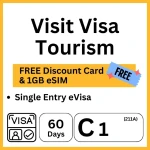
Get Discounts with our Digital Tourist Discount Pass




















Digital Nomads & Remote Workers in Bali
Living the Digital Nomad Dream in Bali
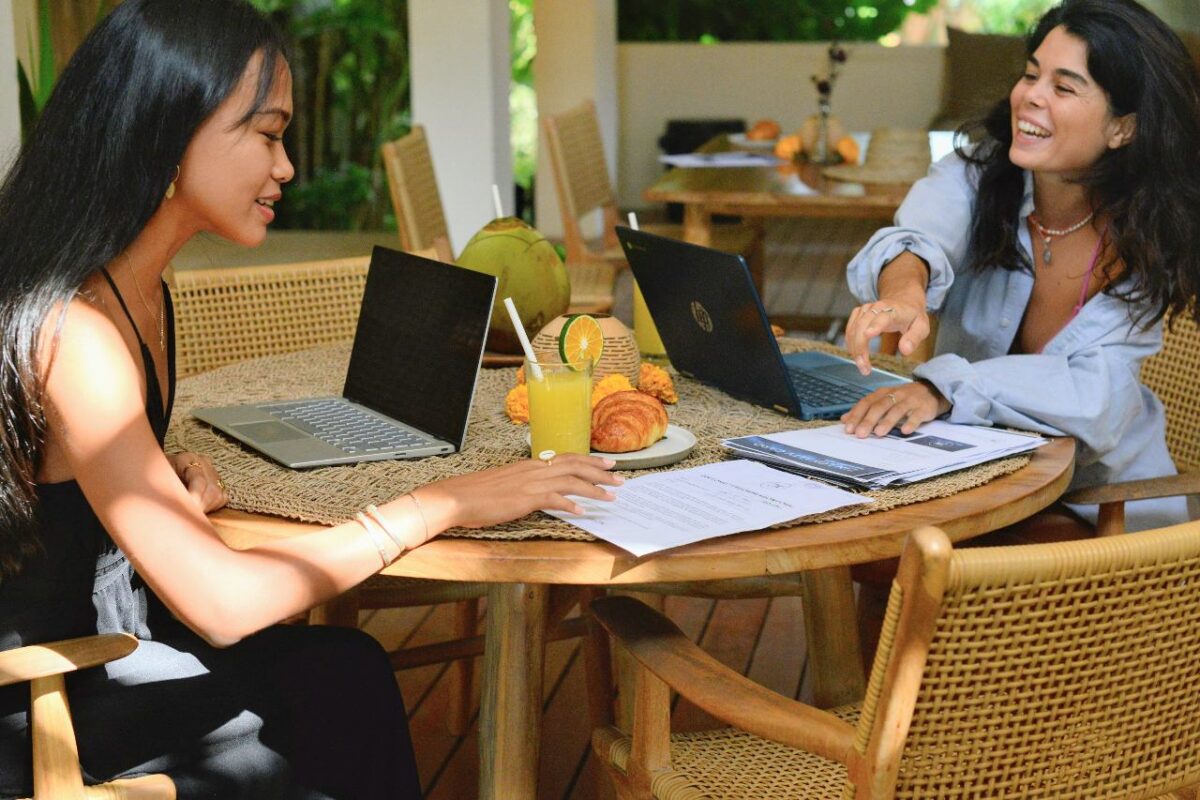
For many, the idea of leaving the 9-to-5 behind and working remotely from a tropical island is more than just a fantasy — it’s a real, achievable lifestyle. Over the past decade, Bali has become one of the most popular destinations in the world for digital nomads, freelancers, and remote workers. There are other places in the region that attract the digital worker, but since Covid hit the planet, Bali became even more popular than before.
Bali is attractive in general, and is ranked by tripadvisor as the most sought after travel destination in the world.
But what makes Bali so attractive for digital nomads, remote workers and young travelers stepping out of what they call, the Matrix?
It provided a unique combination of
- simple visa process allowing you to stay 180days (with visa extensions)
affordable accommodation - endless summer
- affordable lifestyle overall
- likeminded communities
- co-working places, cafes, co-living, hubs
- visa options
- so many things to do and explore
- networking and meeting all types of people from al over the world
But before you book that one-way ticket, it’s important to understand the legal, visa, and tax realities of working remotely from Bali.
What is a Digital Nomad?
The term “digital nomad” means different things to different people. In Bali, the lifestyle can take many forms. The classic nomads work online and travel full-time, staying in Bali for a few months before heading to other places like Thailand, Portugal, Vietnam, or South Korea – living and working on the move – which is in that sense a “real nomad”.
Nowadays, everybody sitting in a cafe who’s goal is to extend their travel time as much as possible while trying to make some money online is somewhat considered a digital nomad.
Definitely one can separate the nomad community in Bali into two groups,
- people who already can and do manage their work and finances online – and make enough money while being employed by a company abroad or being self-employed enjoying the location-independent lifestyle.
- the ones that are still trying to achieve that goal, and use Bali as a stage to achieve that, trying out different business ideas and side-hussles, of which many turn out unsuccessful.and they will stay in Bali as long as their visa or finances allow.
Arrange Your Medical Insurance for Short- and Long-Stay Travel
[wpadcenter_ad id=284801 align=’center’]Global health and travel insurance for people who live and work anywhere
Choose Between Essential & Complete Plan
Learn MoreWhat do digital nomads and remote workers do?
All kind of digital work that freelancer can land on platforms like Upwork, Freelancer.com, and Fiverr.
The crowd in Bali is really interesting and mixed. You find crypto investors, social media managers, online coaches, UGC creators, OF models, consultants, developers, artists, AI enthusiasts and vibe-coders, designers, youtube creators,, IG models, influencers, fitness coaches, and some entrepreneurs who manage their businesses back home online,
The long-term traveler and backpacker
Since decades youngsters come to Bali staying a few months while backpacking, or while traveling the world for a year taking a sabbatical after uni.
In this day and age, most of these young adventurers have a laptop and therefore use it while sitting in a cafe. This does not make them necessarily a digital nomad.
The Legal Framework for Digital Nomads
The main topics that one needs to understand and sort out are visa and tax issues when it comes to stepping into the digital nomad lifestyle.
Currently, most digital nomads and remote workers fly under the radar. The government is aware that the legal system hasn’t yet caught up with this growing lifestyle trend.
Getting Advise from “others”
If you choose this lifestyle, do your homework — don’t rely on hearsay or influencer advice. Use the correct visa, don’t work with Indonesian clients, and don’t get paid locally.
Main questions to ask yoursefl:
- How long are you staying in Indonesia
- what visa or stay permit do you have regarding travel purpose
- are you generating income and if so, whi is your client / employer and where do you get paid
- Are you staying longer than 183 days per year
The main rules are
no visa or permit is available that allows you to work in Indonesia being self-employed and handling clients in Indonesia and making money in Indonesia. Therefore, you cannot be paid in Indonesia, and you cannot legally work for or with Indonesian clients or companies. Unless you are properly employed holding a work permit (KITAS) or even open your own company (PT PMA).
Even though many seem to do so, it is illegal to work here and manage social media accounts for local businesses, do modeling, coaching, running retreats, giving yoga classes. If immigration checks your activity or if something goes wrong (visa expiry, legal dispute, medical emergency), you can run into serious problems.
Visa Options for Digital Nomads
And, make sure you get Covered: International Medical Insurance for Nomads →
Summary on what to avoid as a “digital nomad” in Bali
DON’T…
- Blindly trust other nomads, agents, or social media advice without double-checking what kind of “visa solutions” or legal shortcuts they are offering.
- Apply for a questionable employment or shareholder KITAS sponsored by shell or umbrella companies. You need to know the details of how these KITAS are sponsored, what the entitle you to do and not to do, and what are legal and fiscal obligations that come with it.
- Get an Investor KITAS (shareholder KITAS) unless you are genuinely investing in and owning part of a legal company (PT PMA) that you know and invest in. Some agents add foreigners as shareholders just to issue a visa — but this comes with serious legal and fiscal responsibilities. Immigration is increasingly checking these cases, and people have gotten into trouble.
- Work for Indonesian companies or clients without having a valid work permit. Even if you’re freelancing or doing occasional gigs – it’s still not allowed.
- Get paid in Indonesia — whether it’s into a local account or cash-in-hand. All income must come from outside the country.
- Run around as a freelancer. Don’t teach yoga, play DJ gigs, run workshops, lead retreats, coach, or design interiors in Bali while using only a C-type Visit Visa (B211A) or even worse a Visa on Arrival. These activities generate income here in Indonesia and require a work permit, employment KITAS. The E23 KITAS is not a Freelancer KITAS
- Advertise or sublease your accommodation in Facebook groups or online marketplaces. Immigration considers this a business activity and it can lead to visa violations and even deportation.
- Stay in Bali without proper international medical insurance. Accidents happen — and medical bills can be very expensive. Protect yourself and your peace of mind.
(Get Medical Insurance →)
Which Visa Do You Need?
Most digital nomads in Bali enter with a Visit Visa (type C), which is initially valid for 60 days and can be extended multiple times — up to a maximum stay of 180 days. This visa is commonly used, but it still falls into a legal grey area when it comes to working remotely while living in Indonesia. You cannot work as a freelancer here in Indonesia.
For those officially employed by a company abroad, there is a clearer legal path. If you’re working remotely from Bali for an overseas employer, you may be eligible for the Remote Worker KITAS, a type of limited-stay permit designed specifically for foreign remote employees.
More Info and Application Services for Suitable Digital Nomad & Remote Work Visas in Bali→
Freelancers?
E23 Employment KITAS – not a Freelancer KITAS. The common trap and risks
Paying Taxes in Bali?
Can You Be Paid in Indonesia?
No – you cannot be paid in Indonesia or work for an Indonesian company unless you hold a valid work permit (KITAS). This includes freelance work, consulting, or getting paid into a local bank account.
What is the Status of a Digital Nomad?
A digital nomad typically lives in Bali for a few months and works online for clients based OUTSIDE of Indonesia. Payments are received into foreign accounts, and no income is generated locally.
Most digital nomads do not operate a registered business in Indonesia, and they do not have a tax ID or a work permit. This puts them in a legal grey area, particularly when staying longer than 183 days. There is currently no official “Digital Nomad Visa” – but many nomads use a Visit Visa (C-Type Visit Visa) for stays of up to 180 days.
Remote Workers – A Different Case
Remote employees with valid overseas work contracts – who continue to work for a foreign company while living in Bali – are generally in a more stable situation. A Remote Worker KITAS is available for this category, providing legal clarity for longer stays.
Tax Residency and Global Income
Indonesia applies a 183-day rule for determining tax residency. If you stay in Indonesia for more than 183 days within any 12-month period, you are considered a tax resident — and may become liable to pay income tax on your worldwide income, regardless of where it is earned.
If you stay fewer than 183 days per year, you are not considered a tax resident and generally not subject to Indonesian income tax. However, you may still be required to declare your income in the country where you remain legally resident.
Selection of some of the Best Co-Working Places in Bali
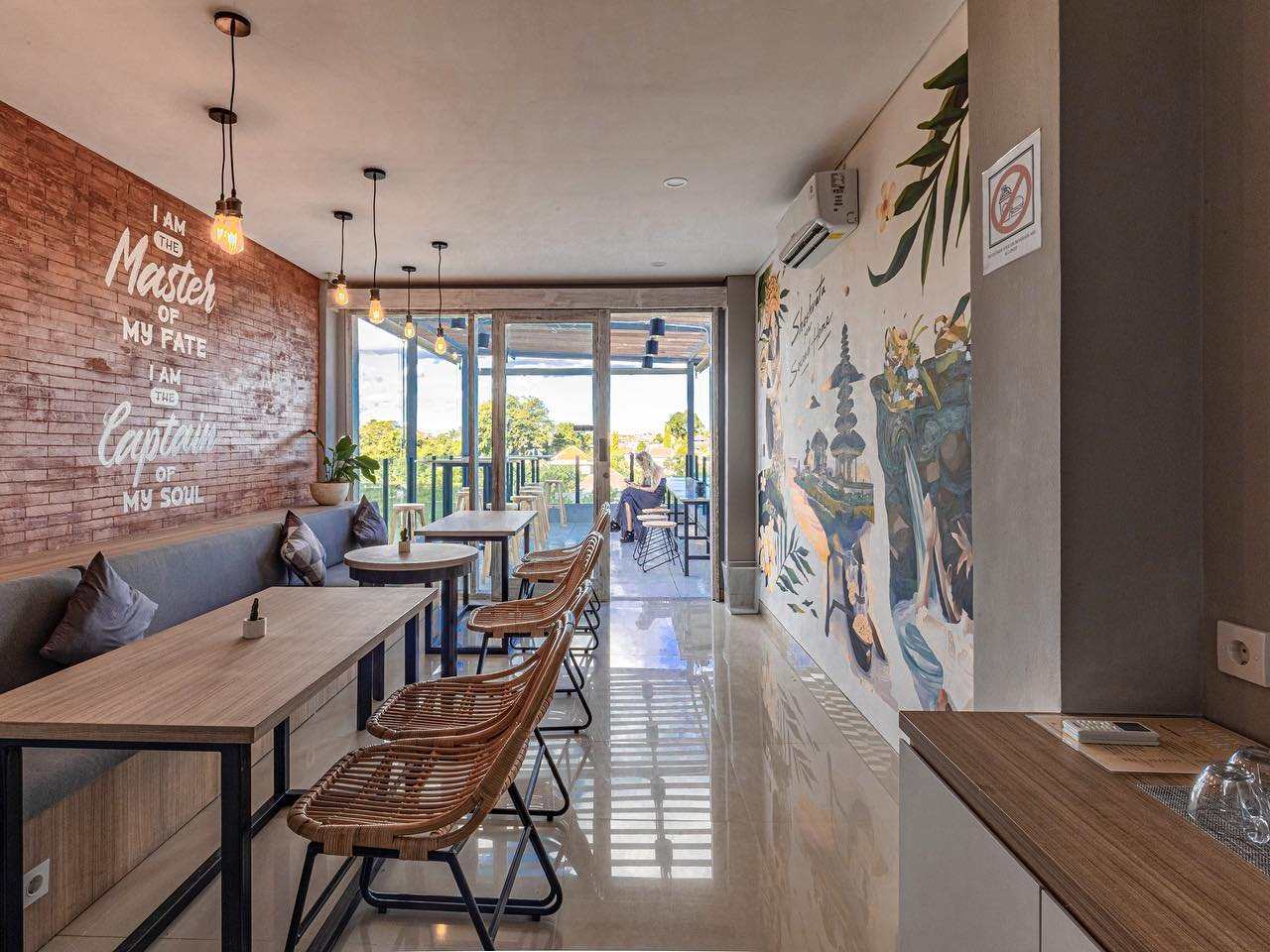
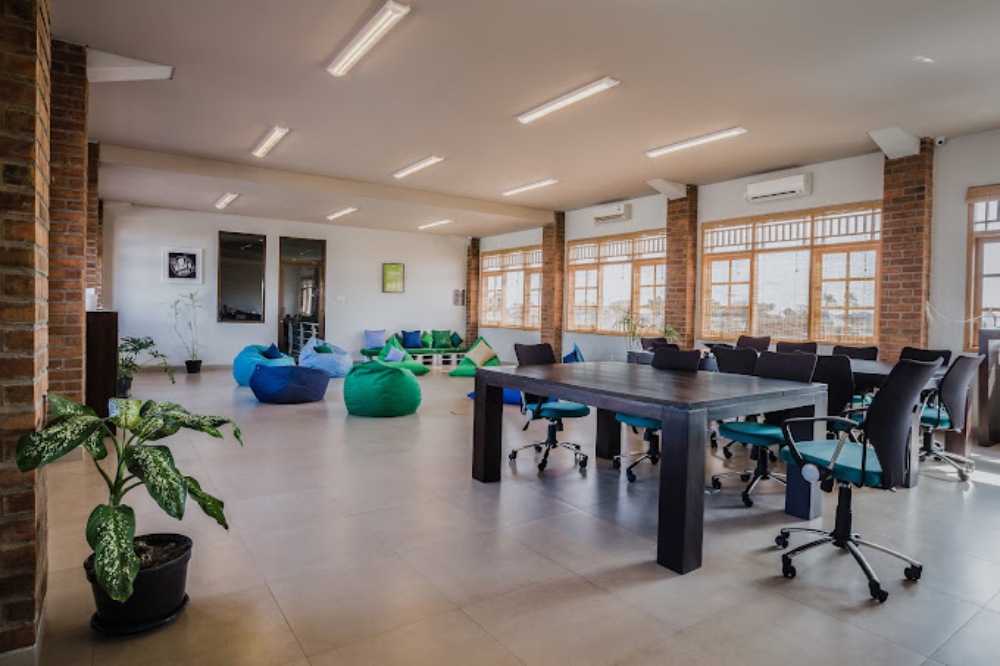
Co-working spaces in range from cafes and restaurants where digital nomads are welcomed to sit and work to places that are highly customised to cater to the needs of remote workers, from private meeting rooms, complimentary coffee, super-strong internet, cloud services, community networking, and consulting for start-ups. Whatever the setting, these hubs are just the place to find like-minded people and dive into the vibrant digital nomad scene in Bali.


Selection of some of the Best Co-Living Places in Bali
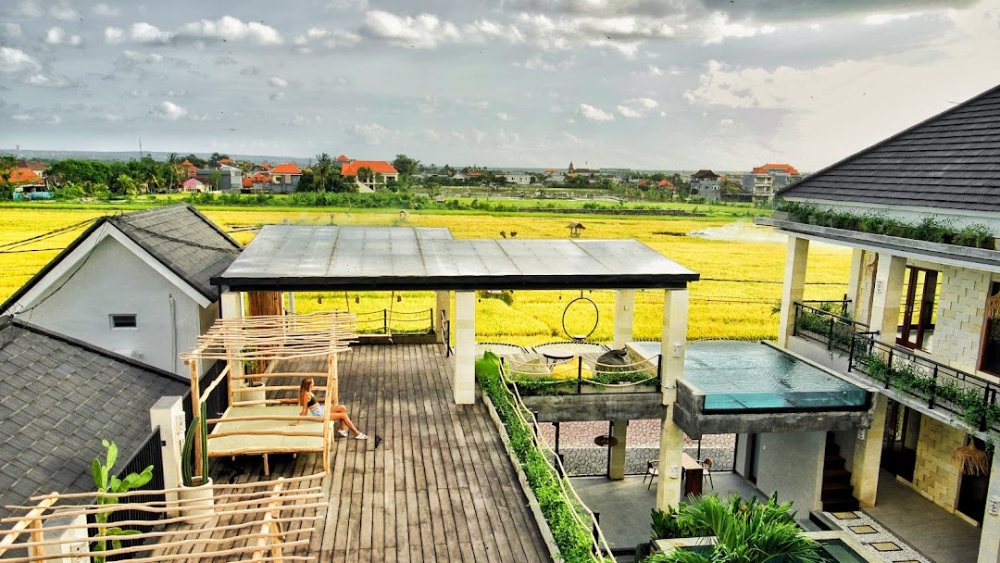
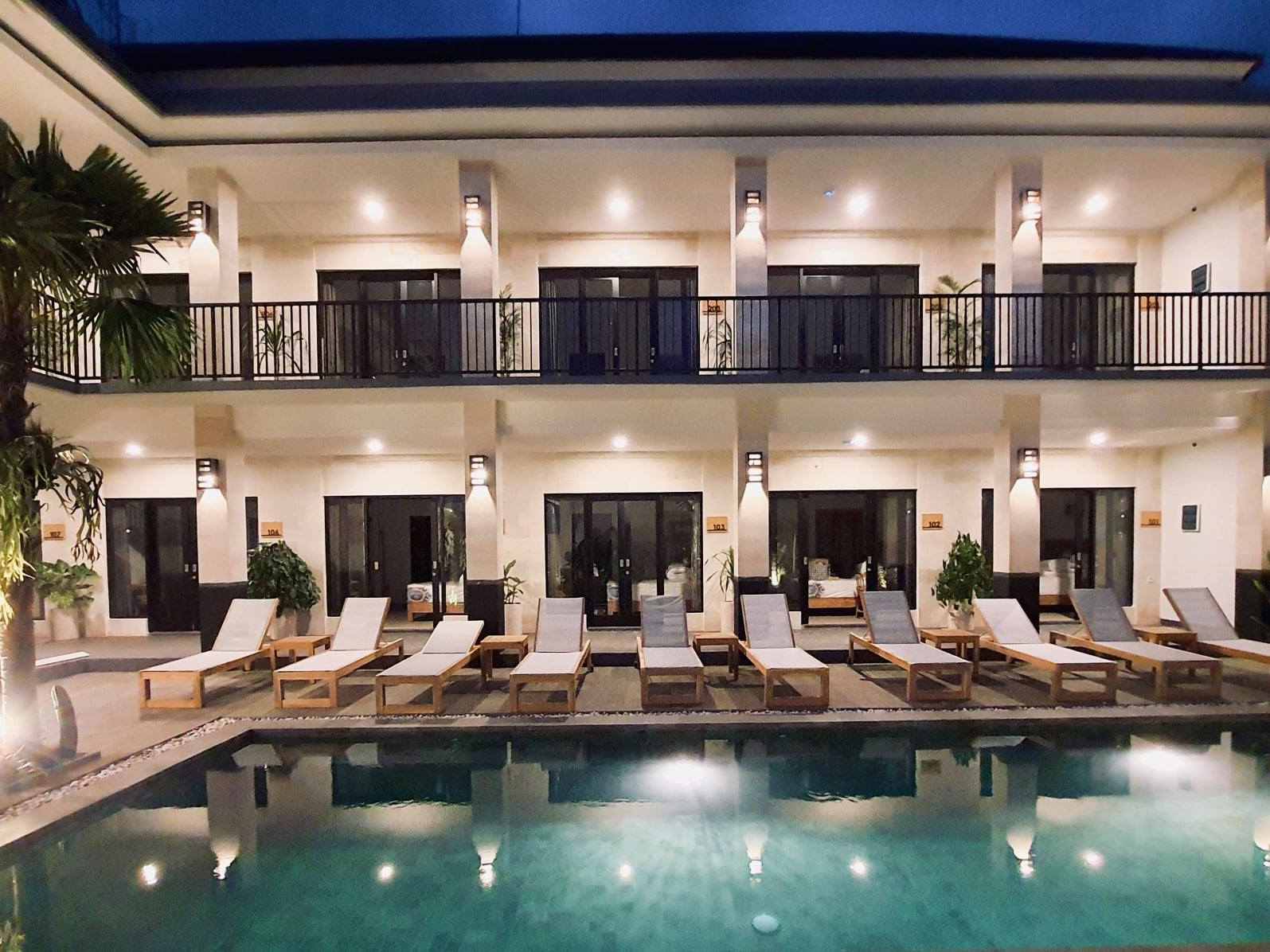
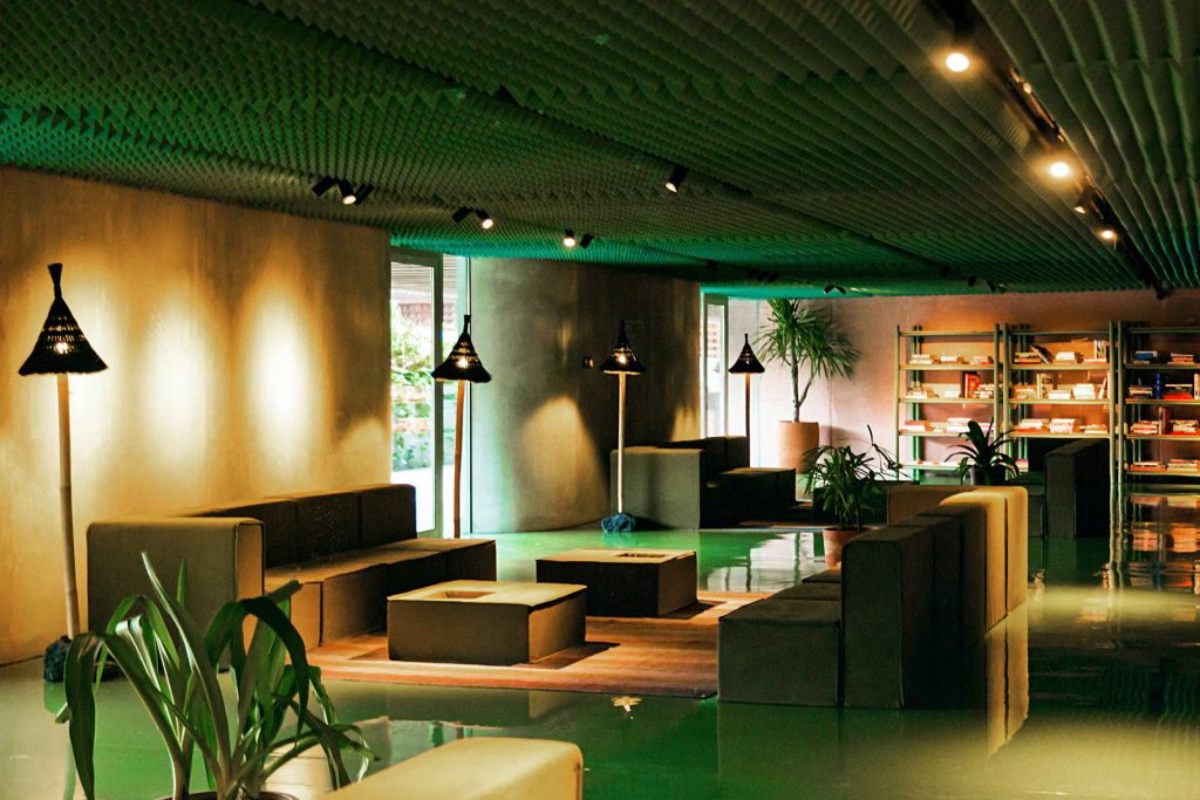
Living in modern villas may have its perks, but lodging together and sharing the life with a tight-knit community can be even better. Not only does a shared space allow you to easily socialize, it also allows you to be able to connect and share ideas with people of different backgrounds you might have never met otherwise.