
Get Discounts with our Digital Tourist Discount Pass






















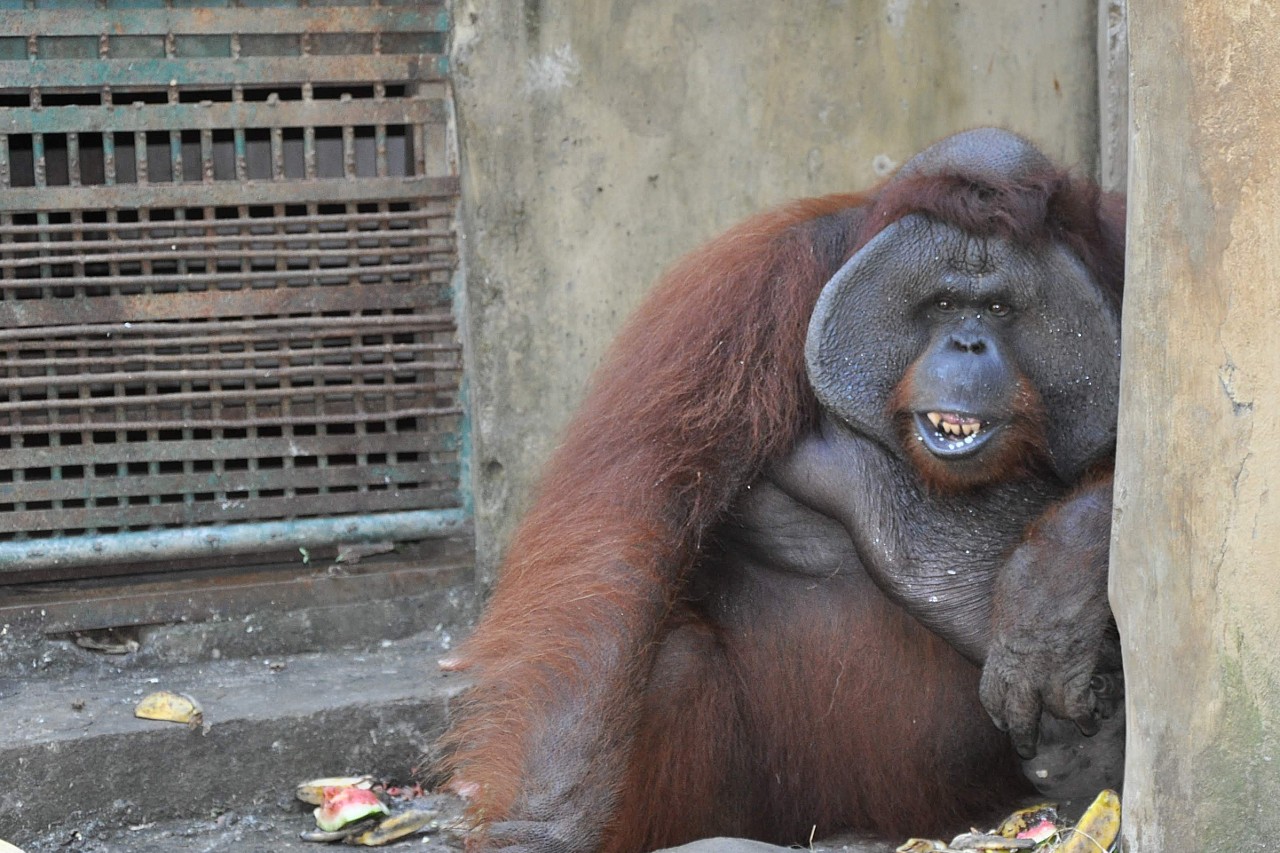
Animal Welfare & Animal Entertainment Rarely Coexist, Also in Bali
These two ideas are almost impossible to align. Some animal parks and zoos make a real effort to care for their animals well, but that balance is very hard to achieve. Unfortunately, Bali still offers several animal entertainment activities that you can book, even on major booking platforms that are red-flagged worldwide
The organization World Animal Protection carried out several surveys in Bali and Lombok and published their findings a few years ago. The results were not very encouraging for Bali.

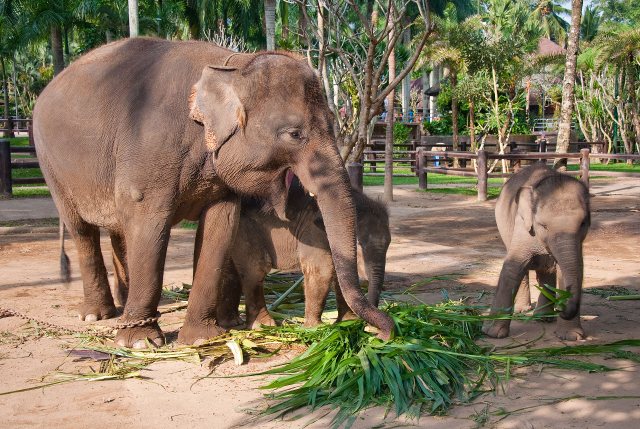
Their campaigns, among other initiatives, led to Bali banning elephant rides. This was one of their main concerns and great news for Bali and Indonesia. Full Article
We Encourage Our Travelers to Make Responsible Choices in Bali
We have seen real improvement over the last 2 years, but many businesses still raise serious concern. Please avoid:
- Dolphin encounters
- Kopi Luwak farms where civets are caged and force-fed
- Photo/selfie sessions with animals
- Touching manta rays, whale sharks, or mola mola during dives
- “Turtle Island” and most turtle “rescue sanctuaries”
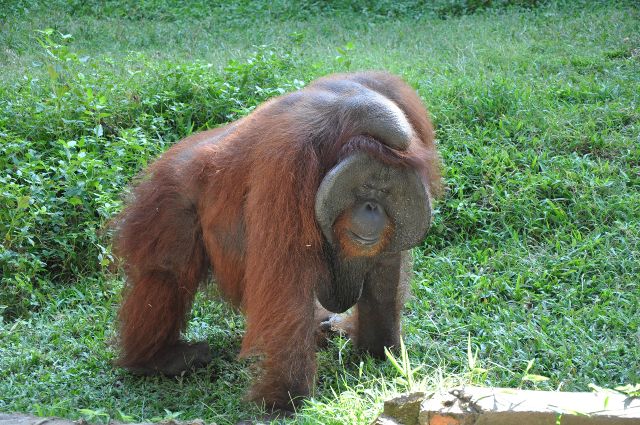
- Wild animals kept in cages for display
- Horse riding (some stables are ethical, most are not)
- Dancing monkey shows
And don’t book on activity booking platforms that are still selling these encounters.
Ethical Dolphin encounters. What about Hugging and Kissing Dolphins in Bali?
This is probably one of the most controversial activities you can book in Bali. Operators and booking platforms frequently, and misleadingly, use the word “ethical” for these operations. Even if these businesses hold official government-issued conservation licenses and market themselves as “rescue and education centers”, this means nothing. When searching the internet you might see a different perspective. BUT, AI models do not possess personal moral compasses; they are reflection tools trained on internet data.
AI platforms simply scrape the internet for reviews and the self-labeling of businesses, and give a false impression of the real conditions.
If you look at customer reviews, the vast majority of tourists leave 5-star ratings with phrases like “the dolphins are happy” or “well looked after”. These reviews are written by everyday travelers who do not understand cetacean biology or the silent stress signs of marine mammals. Because platforms rely heavily on crowd-sourced praise, these high ratings reinforce the false narrative that the facility is ethical. Article
Taking Photos with Animals in Bali
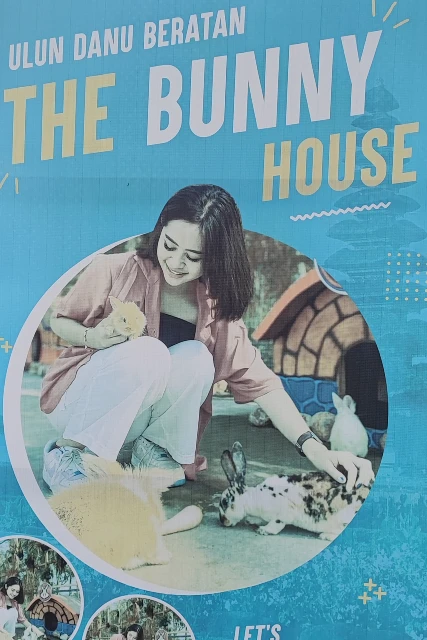
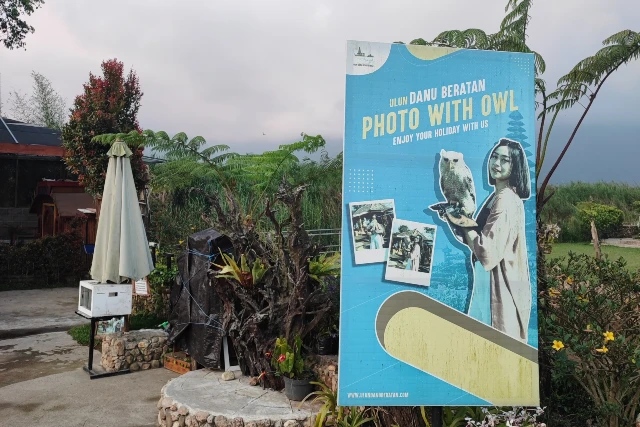
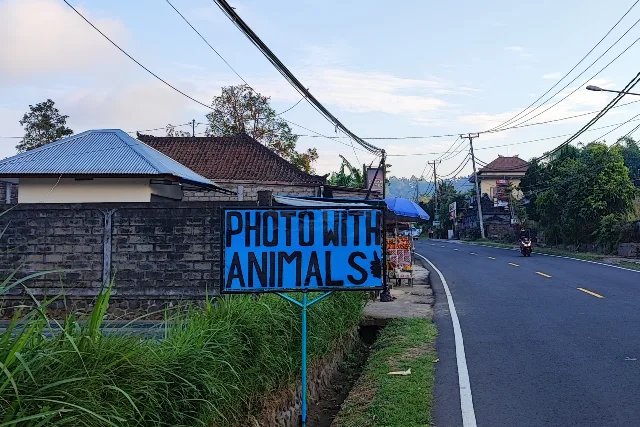
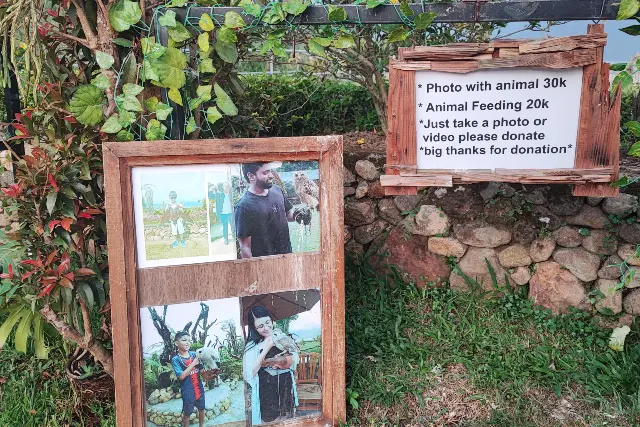
In rural parts of Bali, you will still find places offering photos with wild animals. The animals are often kept in very poor conditions. Owls that live in a box all day, get dragged into harsh light, and are forced to pose with tourists – this is just one of the many cruel ideas some people came up with to make a living. Please avoid these places.
Sadly, This Is Nothing Unusual
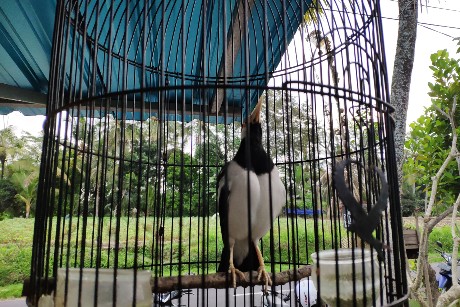
Bali is not unique in this. Animal exploitation for entertainment and profit exists worldwide, and zoos, circuses, and animal parks are often part of the problem, even in highly developed countries. In Bali, wild birds are still caught and caged, animal markets continue to sell mistreated animals, and many creatures are taken from the wild with little regulation or care.
Helping Cats & Dogs in Bali
Some insights into the famous Bali Dog, and how you can help stray dogs and cats in Bali.
Explore