



Get Discounts with our Digital Tourist Discount Pass























What you need to know about Dengue in Bali
The short version: After traffic accidents, Dengue Fever is the most common health risk for travelers in Bali. It is a viral infection transmitted by a specific mosquito that bites during the day – not at night. There is now an approved vaccine in Indonesia, but it requires two doses over three months. For short-stay visitors, preventing mosquito bites is the most important thing you can do.
How is Dengue transmitted?
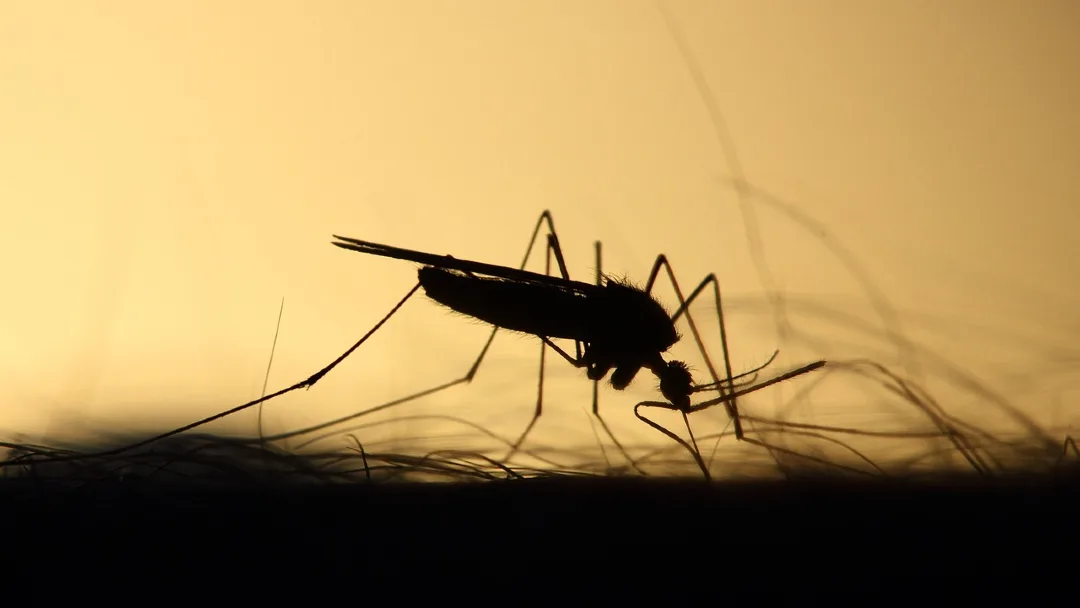
Dengue is carried by the Aedes aegypti mosquito. Unlike the mosquito that carries Malaria – which bites at night – the Aedes mosquito is a daytime biter. It is most active in the early morning after sunrise and again in the late afternoon before sunset. It can also bite at night in well-lit areas, so protection around the clock is sensible.
Dengue is present in Bali all year round. Cases tend to increase during and after the rainy season (November to March), when standing water around homes and gardens gives mosquitoes more places to breed.
Symptoms of Dengue Fever
Dengue is sometimes called “breakbone fever” – and for good reason. Symptoms typically begin 4 to 10 days after a bite and can include:
- Sudden high fever, often up to 40°C / 104°F
- Severe headaches and pain behind the eyes
- Intense muscle and joint pain
- Nausea and vomiting
- A skin rash, which often appears a few days after the fever starts
- Extreme fatigue
The second infection risk
If you catch Dengue for the first time as a healthy adult, you will feel very unwell for about a week but will most likely recover fully with rest and hydration. However, there are four different strains of the Dengue virus. If you get infected by a different strain a second time, the risk of developing Severe Dengue – which requires hospitalization – is significantly higher. This is why long-stay visitors and residents need to take prevention seriously, not just tourists.
Is the Dengue Vaccine recommended for Bali?
Yes – the Indonesian health authorities and the Bali Health Agency recommend vaccination as part of controlling the spread of the disease. Whether it is practical for your trip depends on your timeline.
The Qdenga vaccine
The vaccine approved in Indonesia is Qdenga, manufactured by Takeda and approved by Indonesia’s National Agency for Drug and Food Control (BPOM). A few things worth knowing:
- Who can receive it: Approved for individuals aged 6 to 45 years old.
- No prior infection required: Unlike older Dengue vaccines, you do not need to have had Dengue before to receive Qdenga safely.
- Two doses, three months apart: This schedule is what makes it most practical for longer-stay visitors rather than short-term tourists.
Who should get it?
The vaccine is most relevant for expats, digital nomads, and frequent visitors who have time to complete both doses before their main exposure period. If you are coming for a short holiday, completing the full schedule in time may not be possible – though one dose does offer partial protection. Either way, consult a travel doctor 6 to 8 weeks before departure to discuss what makes sense for your specific trip and health history.
If you are already in Bali, the vaccine is available at reputable international clinics and hospitals across the island – including BIMC and Siloam. You can receive your first dose and return three months later for the second.
Frequently asked questions about Dengue in Bali
How do I prevent mosquito bites in Bali?
Because the Dengue mosquito bites during the day, your prevention needs to be active from morning to evening – not just at night:
- Use DEET repellent. Apply a repellent containing at least 30-50% DEET, Picaridin, or Oil of Lemon Eucalyptus on all exposed skin. Apply it after sunscreen, not before.
- Cover up at dawn and dusk. These are the peak biting hours. Loose, light-coloured long sleeves and trousers make a real difference.
- Use air conditioning or nets. Mosquitoes prefer warm, humid air. AC reduces their activity. A mosquito net is useful for afternoon naps.
- Remove standing water. Aedes mosquitoes breed in small amounts of stagnant water – plant saucers, buckets, decorative bowls. Empty them around your accommodation.
What should I do if I think I have Dengue Fever?
If you develop a sudden high fever with severe body aches and headaches, go to a clinic or hospital for a blood test. Dengue is confirmed with a simple test. While you recover:
- Rest and drink a lot. Water, Oral Rehydration Salts (Oralit), and sports drinks like Pocari Sweat.
- Only take Paracetamol for the fever. This is important. Do not take Ibuprofen, Aspirin, or Naproxen. Dengue can lower your blood platelet count, and blood-thinning painkillers can increase the risk of internal bleeding. Paracetamol (Acetaminophen) only.
- Watch for warning signs. Severe abdominal pain, persistent vomiting, bleeding gums, blood in urine or stool, or sudden improvement followed by a rapid decline – these are signs of Severe Dengue and require immediate hospital attention.
Is Dengue contagious between people?
No. You cannot catch Dengue directly from another person. It is only transmitted through the bite of an infected mosquito. That said, if a mosquito bites someone who is currently sick with Dengue, that mosquito becomes infected and can pass the virus on to the next person it bites.
Is Dengue common in the main tourist areas of Bali?
Yes. Unlike Malaria, which is mainly a concern in remote or rural areas, Dengue occurs throughout Bali – including in Seminyak, Canggu, Ubud, and Kuta. The Aedes mosquito breeds in urban environments, not just jungle or farmland. Tourist areas are not lower risk.
Can I get the Qdenga vaccine before I travel to Bali?
Yes, if your departure is at least three months away, you can complete both doses before you arrive. Qdenga is available at travel clinics in many countries. Check availability with your local travel health clinic at least 6 to 8 weeks before your planned trip – or earlier if possible.
Is Dengue Fever fatal?
Most cases of Dengue in otherwise healthy adults are not fatal and resolve within one to two weeks with rest and hydration. However, Severe Dengue – also called Dengue Hemorrhagic Fever – can be life-threatening and requires immediate hospital treatment. The risk of Severe Dengue is higher in a second infection. Seek medical attention quickly if you develop a sudden high fever in Bali – early diagnosis and monitoring make a significant difference.
About this guide
This article is for general informational purposes only and does not constitute medical advice. Information is based on guidelines from the World Health Organization (WHO) and Indonesian health authorities. Always consult a licensed medical professional about vaccinations and treatment. If you experience severe symptoms while in Bali, visit a certified medical centre immediately.
More practical health and safety tips for Bali

Our editorial team continuously monitors Indonesian government regulations, immigration laws to provide you with grounded, fact-checked travel information. As an official Co-Branding Partner of the Ministry of Tourism (Wonderful Indonesia), we focus on your safety, legal compliance, and authentic experience above all else. We take local knowledge and make it accessible for you, for easier travel planing and a better Bali experience.