
Get Discounts with our Digital Tourist Discount Pass





















Celebrating Melasti in Bali
Bali’s purification ceremony, held three days before Nyepi. Processions to the sea, sacred offerings, and the beginning of the Balinese New Year.
Melasti 2026 — Sunday, 16 March
Three days before Nyepi, the Day of Silence
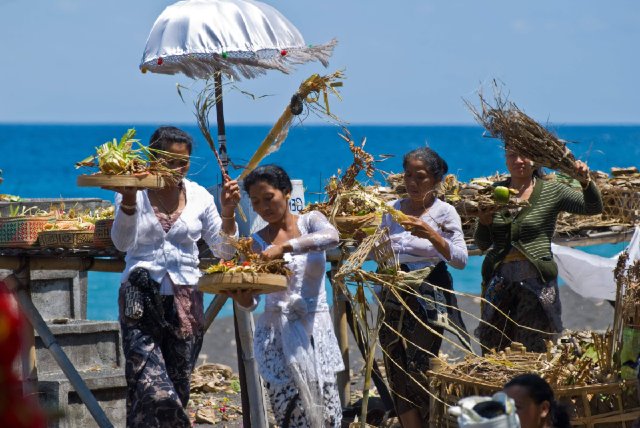
Melasti — purification and preparation for Nyepi
Melasti Ceremony in Bali
Purification Ritual
Processions to the Sea
Balinese Hinduism
Pre-Nyepi Ceremony
Sacred Offerings
What is the Melasti Ritual?
The Melasti ceremony is one of the most important rituals in Balinese Hinduism. It takes place three to four days before Nyepi, the Day of Silence, and marks the start of the Balinese New Year observance according to the Saka calendar.
The ceremony takes place near the sea, a river, or another body of water. Water holds a central place in Balinese Hinduism — it is believed to cleanse the body, the mind, and the spirit of negative energy, preparing the community for the new year ahead.
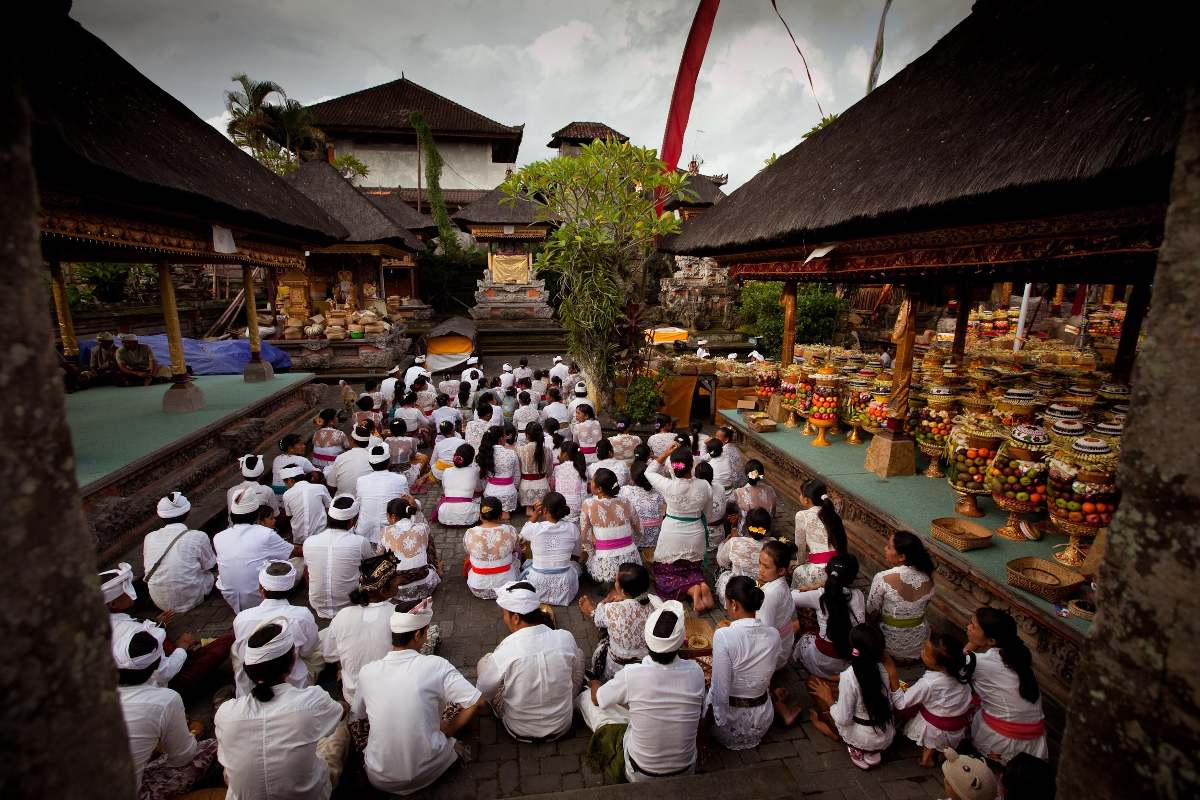
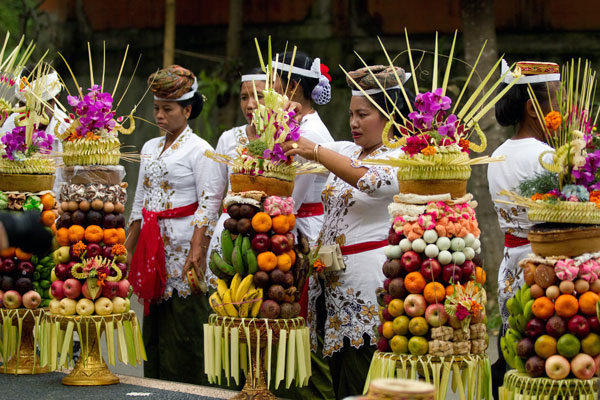
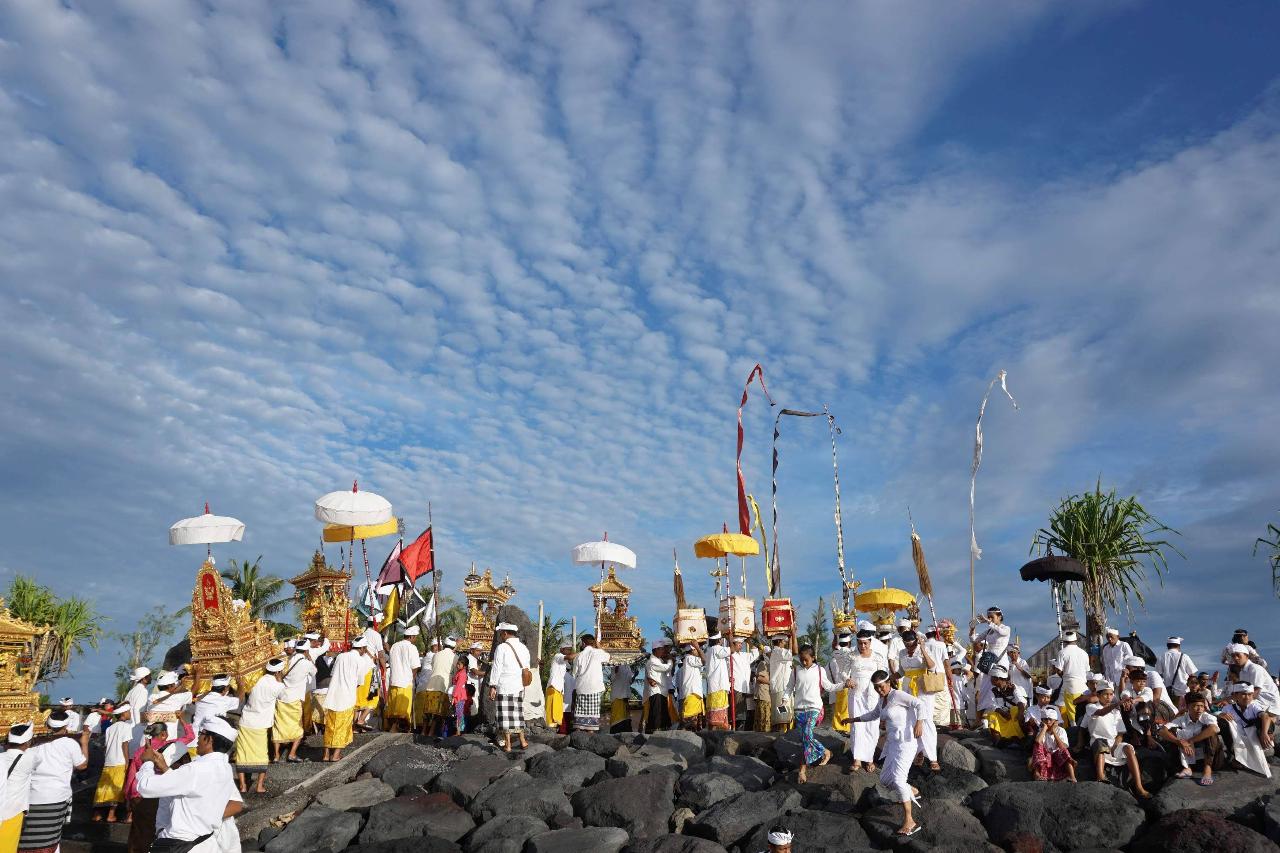
The procession involves the entire village, dressed in white and yellow — the colours of purity and spiritual elevation. People carry offerings of fruit, flowers, and rice, along with sacred temple objects including statues and ceremonial implements. Priests lead prayers and chants at the water’s edge. Participants enter the water and bathe while praying. The holy water collected during Melasti is brought back to the village and used in the ceremonies that follow through Nyepi week.
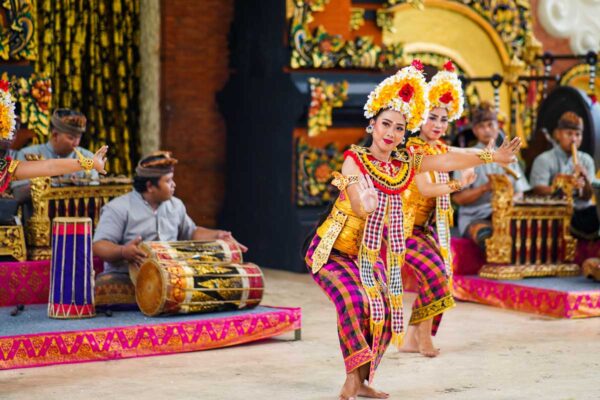
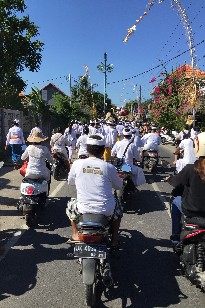
Melasti is not a performance or a festival. It is a communal act of spiritual preparation. The scale of it — villages across the entire island participating simultaneously — is what makes it so striking. On Melasti day the roads fill with processions heading toward the coast, accompanied by gamelan music, and the beaches receive hundreds of worshippers in white.
For visitors, Melasti is an extraordinary thing to witness. The beaches at Sanur, Kuta, Seminyak, and Nusa Dua all receive processions. Stand to the side of the route, dress modestly, and avoid positioning yourself between the procession and the sea.
Melasti — Ceremonies near Water Sources
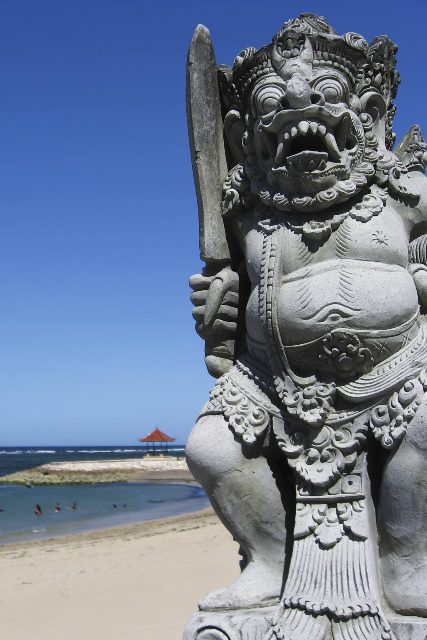
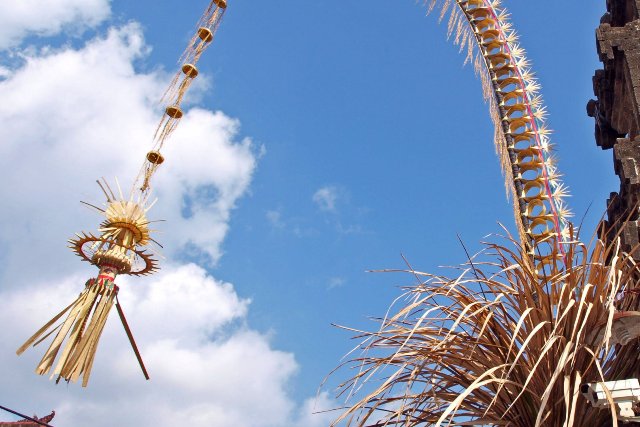
Melasti Preparations in Bali
The preparations for Melasti involve the whole community — the banjar, the local neighbourhood unit that organises village life across Bali. In the days before the ceremony, families clean their homes and temples. Sacred objects from the village temple are brought out, inspected, and prepared for the procession to the sea.
The cleansing of these objects — statues known as Arca, ceremonial representations called Pratima and Pralingga — is the central act of Melasti. Holy water from the sea purifies them and renews their spiritual power for the year ahead. This is not a symbolic gesture. In Balinese Hinduism, the sacred objects carry divine presence, and their purification directly affects the wellbeing of the village.
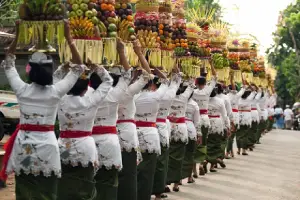
In the days leading up to Melasti, you will see processions on the roads — people carrying offerings and wrapped temple objects on their heads, walking toward the coast. The procession moves to gamelan music. The atmosphere is purposeful and communal, not festive in the Western sense. People are doing something that matters to them.
Once the holy water is collected, it returns with the procession to the village temple. There, priests bless the participants and perform the final rituals. The ceremony is led entirely by the village — this is community life at its most organised and most spiritual.
The preparations for Melasti reflect what makes Balinese Hinduism distinctive: the belief that the physical world and the spiritual world require constant tending, and that this work belongs to everyone. If you are in Bali during Melasti week, you are watching a community prepare itself for the most sacred day of its year.
Make sure your own planning is in order too. If you need a B1 Tourist Visa (also known as Visa on Arrival), check that it covers your full stay through Nyepi and beyond. If you plan to ride a scooter, you will need a valid International Driving Permit — police checks increase significantly around Nyepi week.
Frequently asked questions about Melasti
What is Melasti and when does it happen?
Melasti is a purification ceremony in Balinese Hinduism, held three to four days before Nyepi — the Day of Silence. The ceremony involves processions of worshippers carrying sacred temple objects to the sea, where prayers and ritual cleansing take place. In 2026, Melasti falls on Sunday, March 16.
Can tourists attend the Melasti ceremony?
Yes. The processions take place on public beaches and roads and are open to respectful observers. Dress modestly — a sarong over your clothes is appropriate. Stand to the side of the procession route, not in front of it. Avoid positioning yourself between the procession and the sea. Photography is generally accepted, but ask before photographing priests or sacred objects at close range.
Where is the best place to watch Melasti in Bali?
Sanur beach is one of the best locations — wide, accessible, and receives large organised processions from multiple villages throughout the day. Kuta, Seminyak, and Nusa Dua are also good options. Ubud and the villages around it hold Melasti at the nearest river or lake rather than the sea. If you are staying in south Bali, Sanur is the easiest choice.
What time does Melasti start?
Processions typically begin in the late morning and continue through the afternoon, with different villages arriving at the beach at different times. There is no single start time — the beach builds gradually through the day. Arriving by mid-morning gives you time to find a good position.
What is the connection between Melasti and Nyepi?
Melasti is the opening ceremony of a six-day sequence that ends with Nyepi. After Melasti, the sacred objects return to the village temples, purified and renewed. Two days later, the Ogoh-Ogoh parade takes place on the evening before Nyepi. Then Nyepi itself — 24 hours of total silence across the island. Melasti, the parade, and Nyepi are three completely different experiences within three days.
When is Nyepi in 2026?
Nyepi 2026 falls on Thursday, March 19. The island shuts down completely from 6am on March 19 to 6am on March 20. The airport closes, no one goes outside, and all businesses are closed for 24 hours. You can read the full guide on our Nyepi page.